#security
17 items · 17 articles
Articles
ZKProof Community Reference
A 2022 community handbook showing how zero-knowledge proofs link security definitions and constructions to circuit encodings and the predicates applications need.
The halo2 Book: Building PLONKish Circuits in Rust and Knowing What Their Proofs Establish
A living online reference from the halo2 developers that teaches Rust programmers to build PLONKish circuits and understand what proofs establish.
Self-Liberation Notes, edited by Jim Stumm
An undated reprint of Jim Stumm's edited collection on household autonomy, preserving internal objections, dated assertions, and one troubling punitive vision.
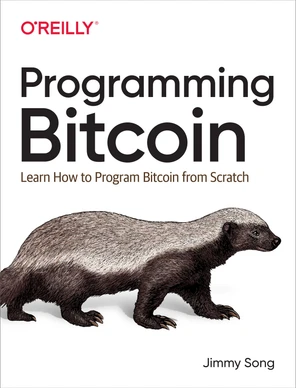
Programming Bitcoin
A hands on Python course that builds Bitcoin signatures scripts and transactions from arithmetic and shows what validating nodes must check.
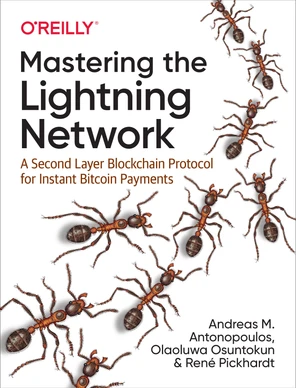
Mastering the Lightning Network
A 2021 technical guide teaching developers to treat Lightning payments as negotiated channel state shaped by liquidity, monitoring, and adversary knowledge.
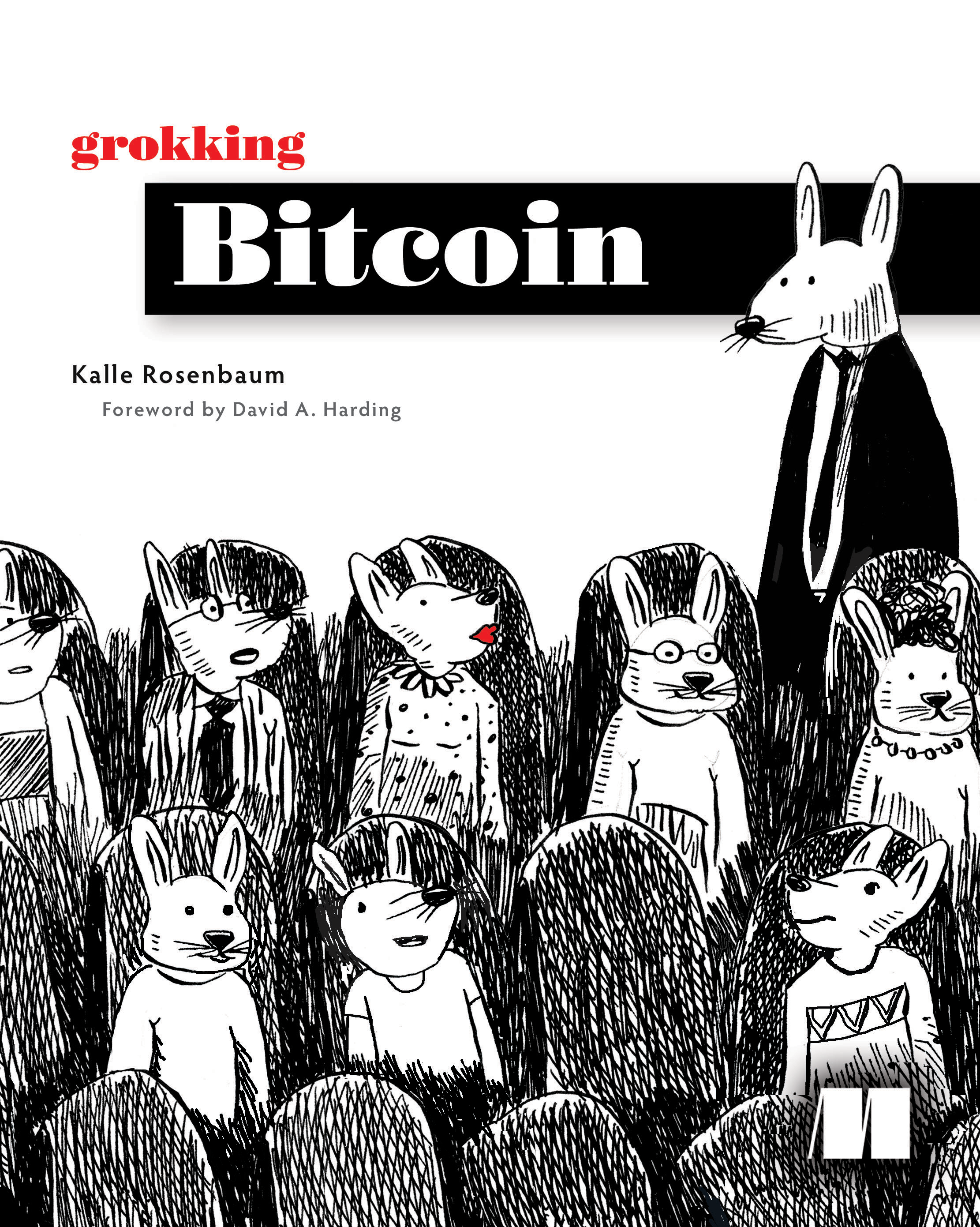
Grokking Bitcoin
Kalle Rosenbaum carefully grows Bitcoin from an office cookie ledger, showing patient nonprogrammers where key authority ends and network validation begins.
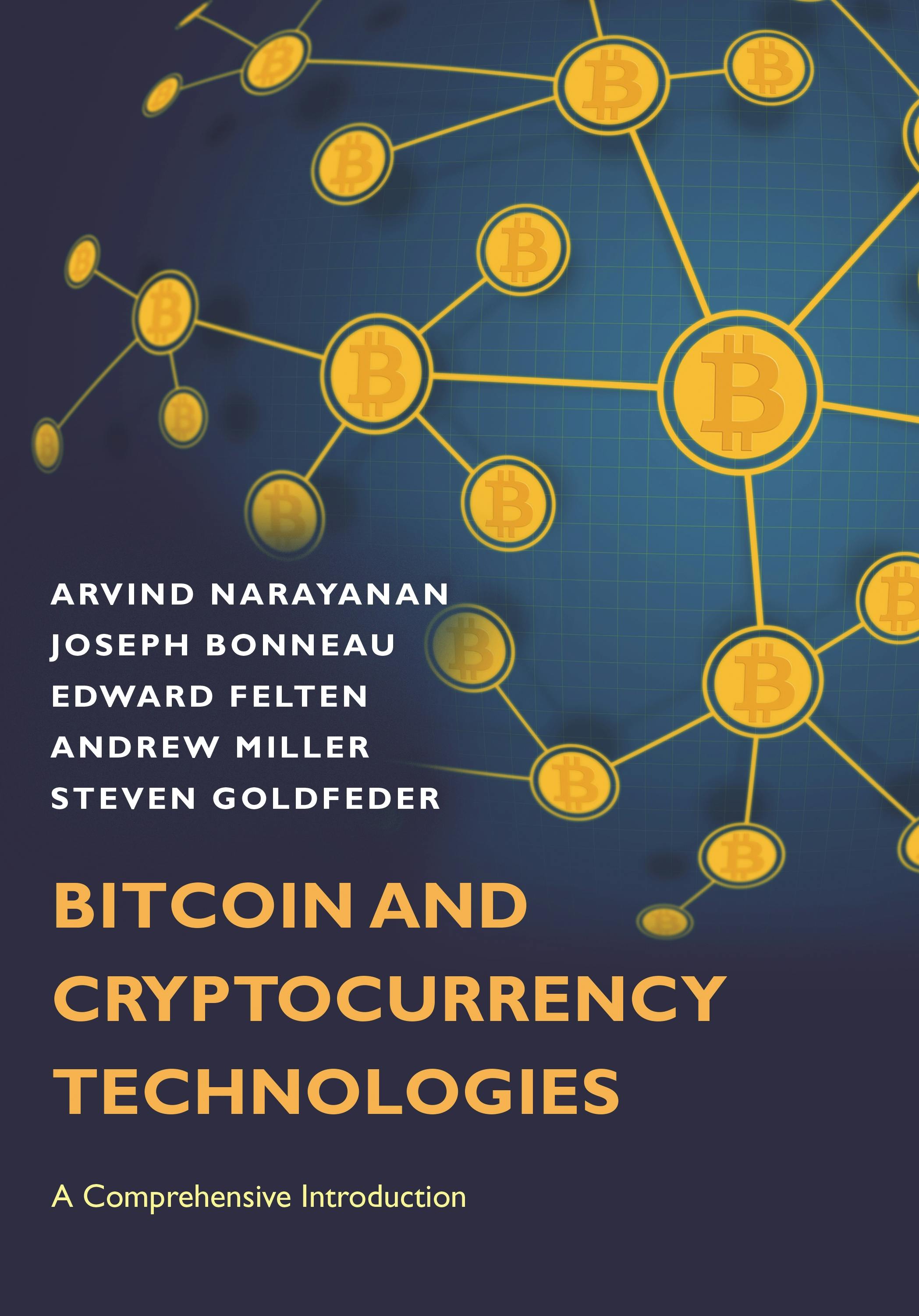
Bitcoin and Cryptocurrency Technologies
A Princeton textbook for programmers on Bitcoin's consensus, privacy and contract mechanisms, what each assumes, and which duties stay outside them.
Programming the Blockchain in C#
Dorier, Strait and Ficsor teach C# programmers to build Bitcoin transactions with NBitcoin, separating spending rules, asset history and trusted services.
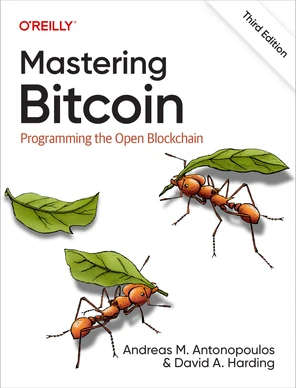
Mastering Bitcoin
A developer's reference showing how Bitcoin keys, recovery data, signatures, fees, relay policy and channel deadlines must work together for self-custody.
The MoonMath Manual to zk-SNARKs
A community manual that teaches zk-SNARKs from modular arithmetic upward, using tiny worked examples to build a Groth16 proof by hand.
A Graduate Course in Applied Cryptography
Boneh and Shoup's unfinished 2023 draft teaches cryptography through attack games that tie every guarantee to stated adversary powers and assumptions.
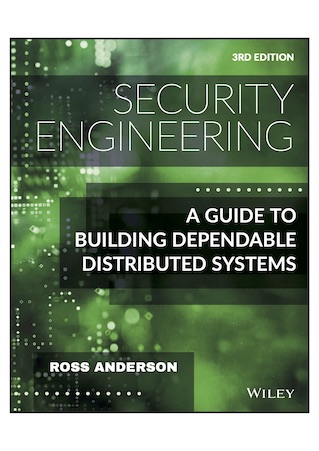
Security Engineering by Ross Anderson: Who Guards the System and Who Pays
Ross Anderson's Security Engineering, third edition, explains how policy, mechanism, assurance and incentives determine whether real systems remain dependable under attack.
Crypto 101: Learning What Each Primitive Supplies by Watching Weaker Constructions Fail
Laurens Van Houtven's unfinished programmer's introduction explains cryptographic primitives by breaking weaker constructions; pair it with current specifications for deployment settings.

Given Enough Agents
Readable code was never reviewed code; a few thousand sats each month buys an audit of the software guarding your wealth.

Coldcard Rewrote Its Seed Code to Escape the GPL. Users Paid the Price.
Coldcard rewrote shared GPL seed code while restricting competition; the replacement failed catastrophically, proving source visibility falls short of software freedom.

Your Phone Is Not Your Property (Until You Install GrapheneOS)
Your smartphone surveils you by design. GrapheneOS transforms a Pixel into private hardware you actually control. Here's why it matters and how to do it.

The Reasonably Paranoid's Guide to Qubes OS: Why Isolation Beats Every Patch
Qubes OS assumes all software has bugs and isolates every application in separate virtual machines, containing breaches instead of preventing them.